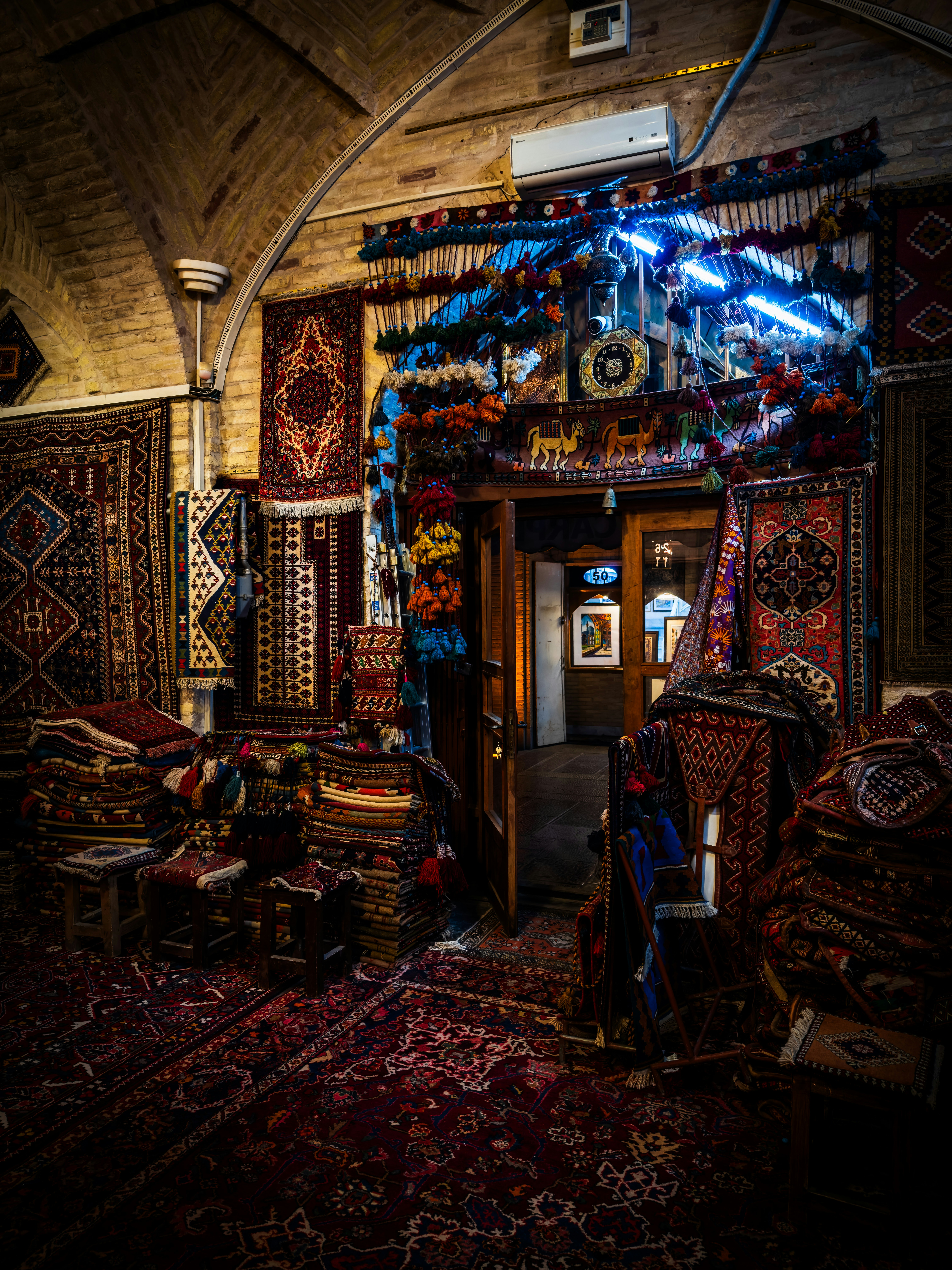
Introduction to Moroccan Rugs
Moroccan rugs, renowned for their vibrant colors and intricate designs, have long been celebrated for their unique craftsmanship and cultural significance. Originating from the Berber tribes of Morocco, these rugs encapsulate centuries of tradition, artistry, and storytelling. The weaving of these rugs is not just a skill, but an integral part of Moroccan heritage, often passed down through generations. Each rug is imbued with its own narrative, reflecting the life, environment, and beliefs of the artisan. This rich history contributes to the character and depth that Moroccan rugs bring to interior spaces.
The craftsmanship involved in creating Moroccan rugs is truly remarkable. Artisans use traditional techniques that involve hand-knotting and weaving, ensuring that each piece is distinct and made with durable, natural materials such as wool and cotton. The patterns commonly seen in these rugs often draw inspiration from the landscape, cultural symbols, and historical motifs, showcasing a blend of geometric shapes and vibrant colors that can elevate any room’s aesthetic. As such, they have become a staple in the realm of interior design, appreciated for their versatility and ability to complement various design styles.
In modern home decor, Moroccan rugs serve as both artistic statements and functional elements. They add warmth and texture, creating inviting atmospheres in living rooms, bedrooms, and beyond. The resurgence of interest in these rugs can be attributed to their ability to blend effortlessly with contemporary trends while simultaneously preserving their authentic roots. In the ensuing sections of this blog post, we will explore how Moroccan rugs have become essential components in today’s interior design trends, further enhancing their appeal and significance in modern interiors.
Current Moroccan Rug Trends
In recent years, Moroccan rugs have gained significant popularity, transcending their traditional roots to become essential elements in contemporary interior design. The allure of these handcrafted pieces lies in their vibrant colors, unique patterns, and cultural significance. Today, the trends in Moroccan rugs reflect a blend of timeless craftsmanship and modern aesthetics, catering to a diverse range of taste preferences.
One prominent trend is the use of bold, geometric patterns that can serve as focal points within a room. These designs, often inspired by Berber motifs, can add a striking visual contrast against minimalistic or neutral backdrops, thus enhancing the overall ambiance. Alongside geometric shapes, organic and abstract designs are also making waves, embodying a sense of artistry and individuality that resonates with contemporary homeowners.
Color trends in Moroccan rugs have also evolved, with earthy tones making a significant comeback. Shades of terracotta, burnt sienna, and rich browns are favored, echoing a desire to connect with nature within our living spaces. However, this does not undermine the popularity of brighter hues; vibrant reds, blues, and yellows remain in demand for those looking to create a more eclectic style. The versatility of color palettes allows homeowners to integrate these rugs seamlessly into various decorating schemes, from bohemian to modern.
Moreover, the sustainability trend in interior design has influenced the popularity of Moroccan rugs made from natural fibers. These eco-friendly options are sought after for their durability and timeless beauty, appealing to environmentally conscious consumers. As the world embraces sustainable living, Moroccan rugs remain a symbol of quality and tradition.
As we observe these trends, it becomes evident that Moroccan rugs not only enhance aesthetic appeal but also reflect broader movements in interior design, such as the appreciation for cultural diversity and sustainability.
Incorporating Moroccan Rugs into Various Styles
Moroccan rugs, renowned for their intricate designs and vibrant colors, can serve as versatile elements in diverse interior design styles. Their ability to blend seamlessly with various aesthetics makes them a popular choice among homeowners and interior designers alike. Understanding how to integrate these rugs can significantly enhance the overall ambiance of a space.
In a bohemian setting, Moroccan rugs often become focal points, characterized by a mix of textiles and patterns. To effectively incorporate a Moroccan rug in a bohemian design, select pieces that feature bold colors and geometric patterns. Layering the rug with other textiles, such as throws and cushions, can enhance the eclectic nature often sought in bohemian interiors. Additionally, mixing different patterns and textures creates a rich visual tapestry that embodies the spirit of bohemian design.
Conversely, in a contemporary style, Moroccan rugs can offer a striking contrast to sleek lines and a minimalistic approach. Opt for rugs with subtle color palettes and refined patterns, allowing them to complement rather than compete with other design elements. Placing a Moroccan rug in a neutral living area, paired with minimalist furniture and decor, can introduce warmth and texture while maintaining a chic aesthetic. Consider using large, plush Moroccan rugs to anchor seating arrangements and create inviting spaces.
For those drawn to a minimalist style, incorporating a Moroccan rug requires a delicate balance. Choosing a simple, monochromatic rug can introduce an element of sophistication without overwhelming the space. The key is to focus on quality over quantity, selecting high-quality materials and craftsmanship that reflect the elegance of minimalist design. By placing the rug strategically in areas with ample open space, it can serve as a subtle accent that draws attention without cluttering the overall look.
Layering Techniques with Moroccan Rugs
Layering rugs is an increasingly popular interior design technique that can enhance the aesthetic appeal of any living space. When it comes to Moroccan rugs, their intricate patterns and rich colors create a unique opportunity for layering that can add depth and dimension to your decor. To successfully layer Moroccan rugs with other textiles, consideration must be given to color schemes, patterns, and textures.
Start by selecting a dominant Moroccan rug that will serve as the base layer. The vibrancy and uniqueness of these rugs often establish a focal point in the room. Then, choose a secondary rug or textile that complements, rather than competes with, the aesthetic of the Moroccan piece. A simple, neutral jute or sisal rug can create an excellent backdrop, allowing the detailed motifs of the Moroccan rug to shine through. Aim for textures that contrast yet harmonize; for example, a soft, shaggy rug can introduce a cozy feel against the dense weave of a traditional Moroccan rug.
Colors play a vital role in the layering process. When selecting rugs, consider a color palette that unifies the space. If the Moroccan rug features bold hues, opt for adjoining textiles that incorporate those colors in subtler shades. Alternatively, you can introduce subtle pops of contrasting colors that maintain the overall harmony of the space. This approach creates a visually appealing layered effect without overwhelming the senses.
Patterns are another critical factor. Mixing different patterns can create intrigue when done wisely. Consider using a Moroccan rug with geometric designs beneath a more subdued, textured rug, maintaining a sense of balance while encouraging visual interest. Additionally, layering different sizes can also be impactful; a large Moroccan rug topped with a smaller vintage-inspired rug can create a cozy, inviting atmosphere.
By carefully considering these elements—colors, patterns, and textures—layering Moroccan rugs can significantly enhance your interior design, resulting in a rich and inviting aesthetic.
Caring for Your Moroccan Rug
Maintaining the beauty and longevity of your Moroccan rug involves a systematic approach to cleaning, storing, and caring for it. These unique carpets, known for their intricate designs and vibrant colors, require special attention to enhance their aesthetic and functional qualities. Regular maintenance is essential, beginning with routine cleaning. For day-to-day care, it is advisable to vacuum your Moroccan rug gently to remove dust and dirt. Ensure you use a vacuum without a beater bar to prevent damage to the delicate fibers.
When it comes to deeper cleaning, spot cleaning is often necessary to manage spills and stains. Utilize a soft cloth to blot the area gently—avoid rubbing, as this can cause the stain to penetrate deeper. A mixture of mild soap and water is often effective for this purpose; however, always test a small, inconspicuous area first to check for colorfastness. It is essential to avoid harsh chemicals and prolonged exposure to water as they may weaken the fibers or affect the colors.
Storing your Moroccan rug correctly is equally important. If you need to store the rug, roll it instead of folding it to prevent creasing and damage. Wrap it in a breathable fabric, such as cotton, to keep dust at bay while allowing for airflow. Avoid plastic wrapping as it can trap moisture, leading to mildew growth. It is also crucial to keep your rug away from direct sunlight, as prolonged exposure can fade its colors over time.
Finally, being mindful of common mistakes such as neglecting routine maintenance or using improper cleaning methods can significantly impact the aesthetics and durability of your Moroccan rug. By incorporating these care tips into your regular routine, you can preserve the charm and elegance of your rug for years to come.
Sustainable Aspects of Moroccan Rugs
Moroccan rugs have garnered considerable attention in the world of interior design, particularly due to their sustainable features. One of the most significant aspects of these rugs is the use of natural materials. Traditionally, Moroccan artisans construct these textiles using wool, cotton, and sometimes silk, all of which are sourced from local sheep and plants. The reliance on organic fibers ensures that the rugs are not only durable but also biodegradable, contributing to a reduced environmental impact compared to synthetic alternatives.
Moreover, the traditional crafting techniques used in producing Moroccan rugs play a crucial role in their sustainable appeal. Many of these techniques have been passed down through generations, emphasizing craftsmanship over mass production. As a result, each rug embodies a unique story and artistic expression, reflecting the local heritage and culture. This artisanal approach minimizes the carbon footprint associated with modern manufacturing processes, reinforcing the value of handmade products in an era of rapid industrialization.
The importance of sustainability in modern interior design cannot be overstated, as consumers increasingly seek out ethically sourced textiles. In recent years, there has been a notable surge in demand for products that not only enhance aesthetic appeal but also align with environmentally conscious values. Moroccan rugs fulfill this criterion, allowing individuals to incorporate beauty and sophistication into their spaces while supporting sustainable practices. The growing market for these rugs indicates a shift towards a more responsible approach to home decor, where the focus extends beyond aesthetics to include ethical considerations.
As interior designers and homeowners alike prioritize sustainability, the incorporation of Moroccan rugs presents a unique opportunity to embrace both style and eco-friendliness. By opting for these handcrafted textiles, one can contribute to a more sustainable future while enhancing the visual and tactile experience of living spaces.
DIY Projects Featuring Moroccan Rugs
Moroccan rugs are renowned not only for their rich cultural heritage but also for their unique textures and vibrant patterns. One of the most innovative aspects of these rugs is how they can be repurposed and transformed into various decor items through creative DIY projects. With a little imagination and resourcefulness, anyone can enhance their living space while embracing the beauty of Moroccan design.
One popular DIY project involves using scraps from Moroccan rugs to create stunning wall art. Cut different shapes and sizes from leftover pieces of the rugs, and arrange them on a canvas or in a shadow box. This allows you to play with colors and textures, turning irregular remnants into a striking focal point in any room. You can also create coasters or placemats by cutting smaller sections of the rug into desired shapes, finishing the edges to prevent fraying. These functional yet decorative items can elevate your home dining experience.
Additionally, consider revitalizing an existing Moroccan rug through a refreshing dye process. If your rug has faded or lost its vibrancy, a natural dye made from plants can rejuvenate its colors. Another clever idea is to create a playful rug overlay. Take an existing rug that might not coordinate well with your decor and craft a new top layer out of thinner, more colorful Moroccan fabric. By introducing this colorful top layer, you create a unique style that will still allow the original design to peek through while adding depth to your floor aesthetics.
Finally, do not overlook the possibility of making specialized throw pillows from Moroccan rug scrap materials. By stuffing and sewing patches into pillow covers, you can use fabric remnants to create unique, textured cushions that complement your existing decor. Not only do these DIY projects breathe new life into your home, but they also celebrate the beauty and utility of Moroccan craftsmanship.
Where to Buy Authentic Moroccan Rugs
Purchasing authentic Moroccan rugs can be an enriching experience, especially if one knows where to look. Several reputable sources provide access to these intricate and handmade textiles. Online retailers such as eBay, Etsy, and specialized websites like The Beni Ourain and Moroccan Bazaar offer a variety of options for consumers seeking genuine Moroccan rugs. When searching these platforms, ensure the sellers have positive reviews and a return policy to safeguard your investment.
Visiting local artisans is another excellent way to acquire authentic Moroccan rugs. Many major cities have artisan markets or stores dedicated to Moroccan crafts, where local experts can offer firsthand knowledge about the pieces. Engaging with artisans not only supports their trade but also provides an opportunity to learn about the stories and techniques behind each rug, enhancing the overall value of your purchase.
When identifying genuine Moroccan rugs, pay close attention to the construction and materials. Authentic rugs are typically made from natural fibers like wool or cotton, showcasing distinctive handwoven patterns that reflect the region’s heritage. Look for variations in texture and color, as machine-made versions often lack the rich nuances and character inherent in handmade products. Additionally, tags or certificates of authenticity can help confirm the legitimacy of the rug.
When shopping for these beautiful rugs, it is essential to consider your space and the rug’s dimensions. Measure the area where the rug will be placed to ensure proper fit. Also, keep in mind the colors and designs that complement your interior decor. By doing thorough research and leveraging trusted sources, one can confidently purchase authentic Moroccan rugs that will elevate any living space.
Conclusion: The Timeless Appeal of Moroccan Rugs
In today’s interior design landscape, Moroccan rugs stand out for their unique aesthetic and cultural significance. As we have explored throughout this blog post, these exquisite textiles offer a remarkable blend of artistry and functionality, making them a staple in various design styles, from bohemian to contemporary. The intricate patterns and rich colors not only serve as focal points in a room but also add warmth and texture, enhancing the overall ambiance of a space.
Furthermore, the versatility of Moroccan rugs allows them to coalesce seamlessly with diverse interior design trends. Whether utilized as a statement piece in an open-concept living area or employed to add comfort and elegance to a minimalist bedroom, these rugs can adapt to any style while offering distinctive character. The craftsmanship inherent in each Moroccan rug also ensures that they are not just decorative elements but cherished assets that can be passed down through generations.
Moreover, as we have seen, Moroccan rugs are not merely about aesthetic appeal; they also carry stories and traditions that resonate with many individuals, adding deeper meaning to their presence in homes. By incorporating these rugs into your space, you invite a piece of history and culture into your everyday environment. This timeless appeal ensures that Moroccan rugs remain a relevant choice for modern interiors, reflecting both past and present influences.
Embracing these design trends can significantly elevate your living space, allowing you to create a home that embodies both style and personal expression. As you consider the options available, including the myriad of colors, designs, and textures, allow the richness of Moroccan rugs to inspire your interior design journey. By choosing to integrate these beautiful textiles, you are not merely decorating; you are enriching your home with an enduring symbol of artistry and tradition.